Support letters, protest response, time credits. Which parole work is worth paying for
A Texas family did most of a parole packet themselves, then hired an attorney for the three parts they could not touch. Here is where that line actually falls.
The packet a family submits and the case file the board reviews are not the same document. Objections, prior parole history, and internal scoring live in the file the family never receives.
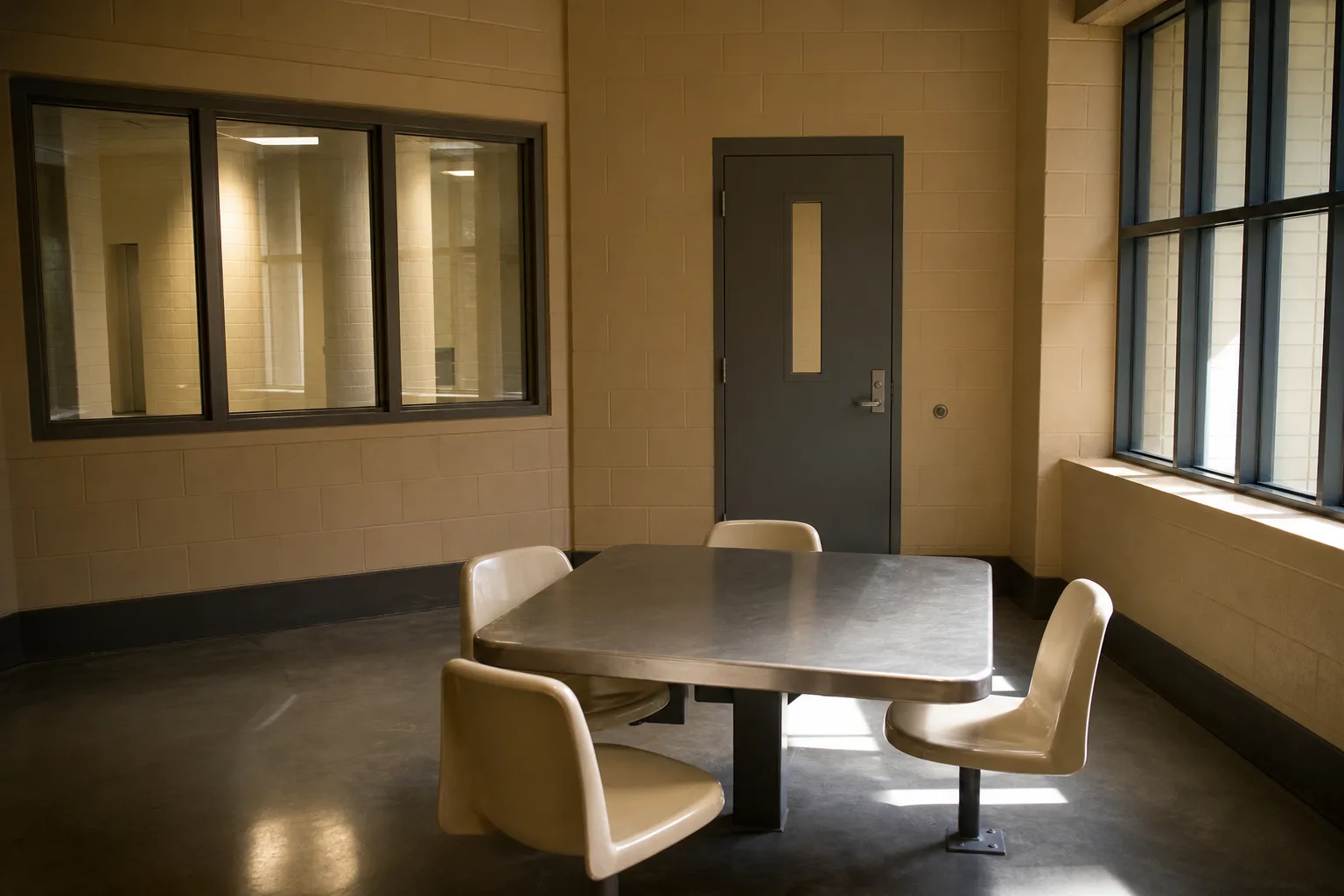
A sister in Tyler spent four months assembling her brother's second parole packet before anyone suggested she pay for help. She had eleven support letters, a signed offer of full-time work at a cabinet shop in Whitehouse, a lease with her name and his on it, proof of an approved bed if the lease fell through, and certificates for every program the unit had let him enroll in. The packet was good. The vote came back with a set-off anyway, and the reason line pointed at the nature of the offense and at objections in the file she had never seen. That gap is where paid work starts to matter, and it is narrower than most people are told.
The parts a determined relative can build alone
Support letters, a release plan, and verification of housing and employment are document-gathering, not advocacy, and nobody with a law license does them better than a relative who knows the family. A letter carries weight when it says who the writer is, how long they have known the person, what specifically they will provide, and what they know about the offense rather than around it. Housing verification means an address a parole officer can visit, a person willing to be listed as the resident of record, and a written statement that the placement holds. Employment verification means a name, a phone number, a job title, and hours. A relative can produce all of that for the cost of postage.
What a family should not do is pay four figures to have those same documents collected, retyped, and mailed by a paralegal. That happens. The careful reader checks a fee agreement for exactly this: if the scope of work described is support letters, a parole packet, and a release plan, and nothing more, the buyer is paying professional rates for clerical labor already done at home. Ask what the attorney will do that the packet does not already accomplish, and expect a specific answer naming a document, an office, or a person to be contacted.
Protest, opposition, and the file the family never sees
Prosecutors, law enforcement agencies, judges, and victims may file objections with the Board of Pardons and Paroles, and those objections sit in the case file where the family has no access to them. An attorney can request an interview with the board member or commissioner assigned to the case, can put a written response into the file that addresses the objection directly, and can ask the Victim Services Division how victim contact is being handled. In the Tyler case, the objection was an old letter from a prosecutor who had since left the office, restating facts that a later plea had modified. Nobody had answered it in six years. Answering it is legal work.
Sentence calculation and time credit disputes
Time credit questions look administrative and behave like litigation. Jail credit awarded at sentencing, credit for time on a prior parole, calculation of the projected release date, and how consecutive sentences stack all run through TDCJ Classification and Records, and an error there can move a review date by months or years. The dispute process has a defined sequence, and it has to be exhausted in order before a court will look at it. This is the clearest case for paid help, because the family cannot obtain the underlying records, cannot read the calculation sheet reliably, and cannot file the follow-on pleading if the answer comes back wrong.
Offense records that need explaining rather than defending
Aggravated offenses, cases carrying an affirmative finding on a deadly weapon, and long records with several old convictions produce a file that reads worse than the person does. An attorney's contribution is a written summary that puts the record in order, distinguishes a twenty-year-old conviction from recent conduct, and connects program completion to the specific risk the file suggests. Parole supervision is a state function, though the Bureau of Justice Statistics is responsible for tracking parole populations nationally, and the vocabulary boards use is consistent enough that someone who works in it daily writes to it more efficiently than a first-timer.
The sister kept the packet she built, hired counsel for the protest response and a time credit question worth eight months, and paid for two defined tasks instead of a bundle. That is the line worth drawing before any money moves: everything a phone call and a stamp can accomplish stays at home, and everything requiring access to a file, a records office, or a board interview is what the fee is actually for.
- Employment proof An offer letter should carry a business name, a phone number, a job title, and expected hours. A handwritten note from a friend who owns a shop is easy to check and easy to doubt.
- Prosecutor protest letters District attorneys and police agencies may file written objections that stay in the file across multiple reviews. An unanswered protest from years ago keeps working against the case until someone responds to it in writing.
- Board member interviews Attorneys can request a meeting with the voting board member or commissioner assigned to a case. Families generally cannot obtain the same access, which is a real part of what a fee buys.